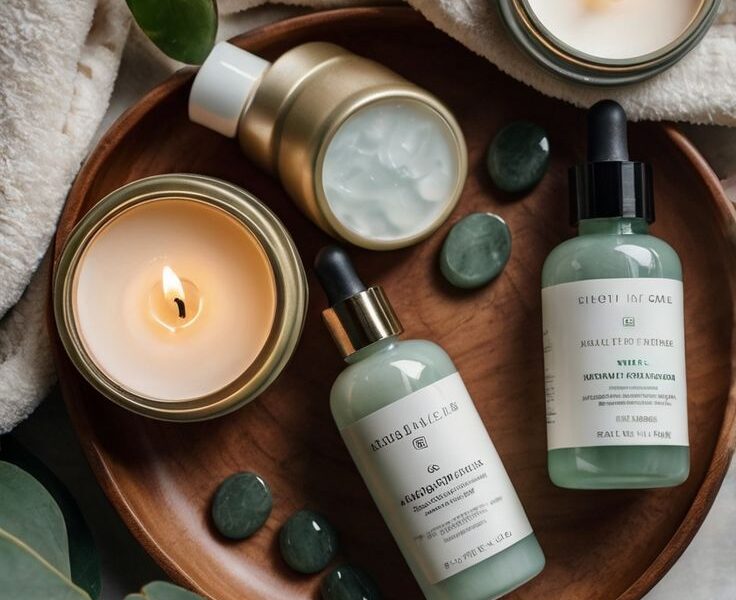
Our skin changes just like the seasons, and each season brings its own set of challenges. From the dryness of winter to the oiliness of summer, our skin needs different care throughout the year. Seasonal skincare is about adjusting your routine to match the climate so your skin stays healthy, balanced, and glowing no matter the weather. By choosing the right ingredients and products for each season, you can protect your skin against damage, prevent breakouts, and maintain its natural radiance. Let’s explore how to care for your skin through every season of the year.
Spring Skincare (March–May)
Spring skincare is all about refreshing and lightening your routine after the dry winter months. As the weather becomes warmer and more humid, your skin naturally produces more oil, so it’s important to switch heavy creams and thick products with lighter, water-based options that keep the skin balanced without clogging pores. A gentle foaming or gel cleanser helps remove dirt and excess oil, while mild exfoliation once or twice a week clears away dead skin cells for a fresh glow. Lightweight moisturizers and hydrating serums keep the skin soft and plump, while sheet or gel masks can provide an extra boost of hydration and calmness when needed. Sunscreen becomes even more important in spring as the days are sunnier, so applying a broad-spectrum SPF daily is essential to protect against damage and premature aging. Seasonal allergies can also affect the skin, causing redness or irritation, which can be soothed with ingredients like aloe vera or chamomile. Don’t forget to care for your lips and body too—using a scrub for smoothness and a light lotion for hydration. By making these small but effective changes, your skin will feel fresher, healthier, and glowing all season long.
Summer Skincare (May–July)
Summer skincare is all about keeping the skin fresh, protected, and balanced in the heat, humidity, and strong sun. During this season, skin tends to get oilier and more prone to acne, tanning, and sun damage, so lighter products and sun protection are key. A gentle foaming cleanser helps wash away sweat, dirt, and excess oil without stripping natural moisture. Exfoliating once or twice a week prevents clogged pores and dullness, while a lightweight, oil-free moisturizer keeps skin hydrated without making it greasy. Sunscreen is the most important step in summer—always apply a broad-spectrum SPF 30 or higher, and reapply every 2–3 hours if you’re outdoors. Hydrating products like aloe vera gel, rose water, and cooling sheet masks can soothe irritation, sunburn, or heat rashes, leaving the skin calm and refreshed. Drinking plenty of water and eating water-rich fruits also supports healthy, glowing skin from within. For makeup, it’s best to keep it minimal and breathable to avoid clogging pores in hot weather. With the right care, summer skincare helps prevent breakouts, protects against sun damage, and keeps the complexion bright, fresh, and healthy all season long.
Monsoon Skincare (July–September)
Monsoon skincare is all about keeping the skin clean, balanced, and protected during the rainy season when humidity levels are high. The damp weather often makes skin oily, prone to acne, and more sensitive to infections, so your routine should focus on freshness and hygiene. A gentle foaming or gel-based cleanser works best to wash away excess oil, sweat, and dirt without stripping the skin. Since pores can get easily clogged in humid conditions, exfoliating once or twice a week is important to prevent blackheads and breakouts. Heavy creams should be avoided; instead, use a light, non-greasy moisturizer to keep the skin hydrated without making it sticky. Sunscreen is still essential in monsoon, because UV rays penetrate even on cloudy days and can damage the skin. To deal with sudden acne or fungal infections, keep your skin dry and use soothing products with ingredients like tea tree oil, aloe vera, or neem. Monsoon can also make lips chapped and dull, so don’t forget a nourishing lip balm. Drinking enough water and eating fresh fruits helps maintain the skin’s natural glow despite the humid climate. With the right balance of cleansing, light hydration, and sun protection, monsoon skincare ensures your skin stays clear, fresh, and healthy throughout the rainy season.
Autumn Skincare (September–November)
Winter Skincare (November–February)
Winter skincare is all about protecting and deeply nourishing the skin when cold weather, low humidity, and harsh winds make it dry, flaky, and sensitive. During this season, the skin tends to lose moisture quickly, which weakens the natural barrier and causes tightness, roughness, and sometimes irritation. To combat this, switch to a gentle, cream-based cleanser that cleans without stripping away natural oils. Exfoliation once a week is still important, but keep it mild to avoid further dryness. The most essential step in winter skincare is moisturizing—use a rich, nourishing cream or oil-based moisturizer that locks in hydration and prevents water loss. Adding hydrating serums with hyaluronic acid, glycerin, or ceramides can give extra protection. Sunscreen should not be skipped even in winter, because UV rays remain harmful and can cause premature aging. To soothe and pamper the skin, use hydrating masks with honey, aloe vera, or shea butter. Lips, hands, and feet often suffer the most in winter, so apply lip balm, hand cream, and body butter regularly. Staying hydrated by drinking enough water and eating foods rich in healthy fats, like nuts and seeds, also helps keep the skin soft and glowing from within. With consistent care, winter skincare ensures your skin stays moisturized, smooth, and radiant despite the cold weather.