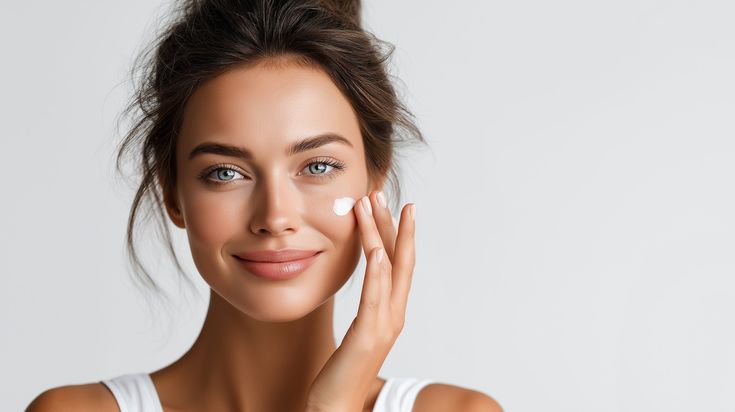
Why Moisturizing Is Essential?
Keeping your skin moisturized is one of the most important steps in any skincare routine, regardless of age, skin type, or season. Moisturizing is not just about adding softness or a temporary glow—it plays a much deeper role in protecting and maintaining overall skin health. Our skin is constantly exposed to environmental aggressors like pollution, UV rays, harsh weather, and dust, all of which strip away its natural hydration barrier. Without adequate moisture, the skin becomes dry, tight, and more prone to irritation, redness, and flakiness. Over time, chronic dryness can accelerate the appearance of fine lines, wrinkles, and dullness, making the skin look older than it really is. A good moisturizer helps to lock in hydration, replenish the skin’s natural oils, and strengthen its barrier function, ensuring that it remains resilient and less reactive to external stressors.
Moisturizing is equally essential for oily and acne-prone skin, even though many people assume otherwise. When the skin lacks hydration, it can overcompensate by producing excess sebum, which clogs pores and leads to breakouts. Using a lightweight, non-comedogenic moisturizer balances oil production while keeping the skin nourished. Similarly, sensitive and dry skin types benefit from rich, soothing formulas that calm irritation and restore comfort. Moisturizers are also crucial in repairing micro-damage that occurs daily, as they support the natural process of skin cell renewal. By maintaining an optimal water-oil balance, they create a smoother texture and improve the absorption of other skincare products like serums and treatments.
Why Moisturizing Should Never Be Skipped
Moisturizing is one of the most underrated steps in skincare, yet it has the power to transform the way your skin looks and feels. Many people assume moisturizers are only for dry skin, but the truth is that every skin type needs hydration. Even oily or acne-prone skin can suffer from dehydration, which actually worsens oil production and leads to more breakouts. A well-chosen moisturizer ensures that your skin stays balanced, healthy, and resilient no matter the season or lifestyle.
Key Benefits of Moisturizing
Moisturizing is one of the most essential steps for maintaining healthy, radiant skin because it offers multiple benefits in just one step. A good moisturizer helps strengthen the skin’s protective barrier, shielding it from pollutants, irritants, and environmental stress. By keeping the skin hydrated, it also prevents dryness, flakiness, and premature signs of aging such as fine lines and wrinkles. Even oily or acne-prone skin benefits from moisturizing, as hydration helps balance oil production and reduces the risk of breakouts. Many moisturizers are enriched with soothing ingredients that calm irritation, redness, and sensitivity, while also repairing micro-damage the skin experiences daily. Most importantly, consistent moisturizing improves overall texture, leaving the complexion soft, smooth, and naturally glowing, while also enhancing the effectiveness of serums and treatments applied before it.
Moisturizing goes beyond making the skin look soft—it plays a vital role in maintaining long-term skin health. Consistent hydration helps the skin retain its natural elasticity, preventing it from becoming rough, tight, or flaky. It also improves circulation at the surface level, which enhances the delivery of oxygen and nutrients, giving the skin a healthier and brighter appearance. Many modern moisturizers are formulated with active ingredients like antioxidants, peptides, or vitamins, which not only hydrate but also fight free radical damage, support collagen production, and repair daily wear and tear.
When And How To Moisturize?
The best time to moisturize is right after cleansing or showering, when your skin is still slightly damp, as this helps lock in maximum hydration. In the morning, applying a lightweight moisturizer prepares your skin for the day by keeping it soft, balanced, and protected, ideally with added SPF for sun defense. At night, using a richer or more nourishing cream allows the skin to repair itself while you sleep, supporting cell renewal and barrier restoration. Always apply moisturizer in upward, gentle strokes to encourage absorption and boost circulation, and don’t forget often-neglected areas like the neck, hands, and elbows. For best results, choose a formula suited to your skin type—gel-based for oily skin, creamy for dry skin, and fragrance-free options for sensitive skin. Making moisturizing a consistent habit both day and night ensures long-lasting hydration, a stronger skin barrier, and a healthy, radiant glow.